

Oqood vs Title Deed: Understanding Dubai Property Registration
Understand the difference between Oqood and a title deed, what each document records, the fees to check and the steps from off-plan purchase to final registration.
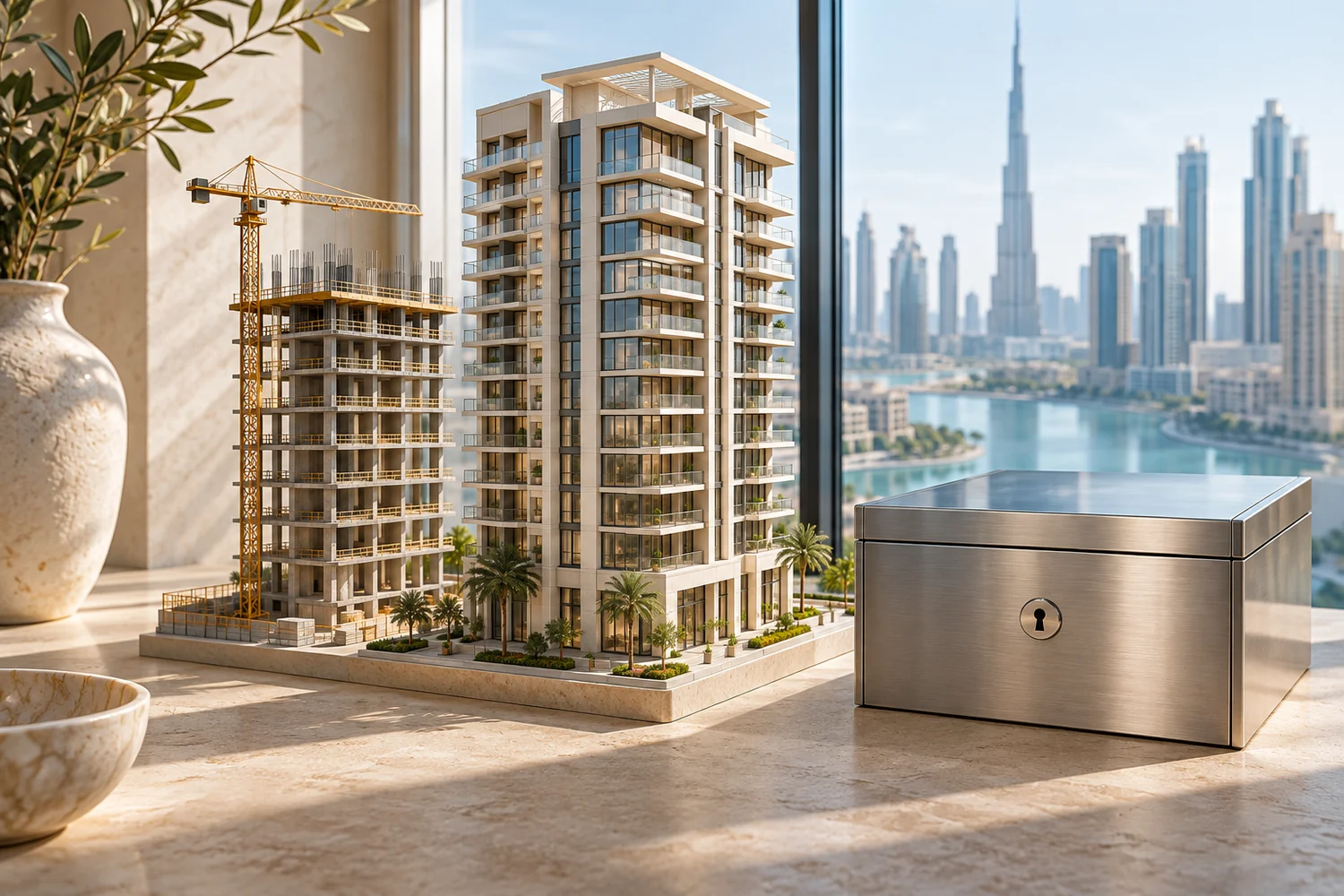
Cover image: AI-generated editorial illustration of a document review, not an official certificate or a photograph of an actual transaction.
Buying property in Dubai is an exciting milestone. You've chosen your residence, signed the agreement and taken the first step towards ownership. But somewhere along the journey, two important terms are likely to appear: Oqood and Title Deed.
Both are associated with property registration in Dubai, yet they serve different purposes at different stages of ownership.
This guide explains what each document is, how they differ, and how an off-plan purchase moves from Oqood towards a title deed as completion and registration requirements are met.
What Is Oqood in Dubai?
Oqood, the Arabic word for "contracts," is the DLD's interim register for off-plan property. When you buy a home that is still under construction, your sale is recorded in this register, and you receive an Oqood certificate as proof.
In simple terms, Oqood confirms that a specific unit in a specific project has been sold to you, even though the building is not finished yet.
The law behind Oqood
The interim register was established by Law No. 13 of 2008 Regulating the Interim Real Property Register in the Emirate of Dubai. It is published, along with Dubai's other key property laws, in the DLD's compilation of real estate legislation. Under this law, sales of off-plan units must be recorded in the interim register, which makes registration a legal requirement rather than a formality.
How Oqood registration works
- You sign the SPA: You and the developer sign the sales and purchase agreement and you make the agreed initial payment.
- The fees are paid: The total DLD sale-registration fee is generally 4% of the sale value. DLD lists 2% for the seller and 2% for the purchaser; check your SPA for the agreed allocation and any administrative charges.
- The developer registers the sale: The developer submits the transaction to the DLD's Oqood system.
- You receive the certificate: Once processed, an electronic Oqood certificate is issued showing the buyer, the unit and the project details.
Oqood and project escrow arrangements serve different purposes. Oqood records the sale, while the project escrow account governs how construction payments are held and released. Verify both; neither is a guarantee against every project risk. Before committing, our checklist Before You Pay a Booking Fee in Dubai explains what to confirm first.
What Is a Title Deed in Dubai?
A title deed is the final, permanent proof of ownership for a completed property. It is issued by the DLD and records the owner, the property's details and its registration in the main real estate register.
You receive a title deed in one of two ways:
- Buying a ready property: The transfer is registered through the DLD or an approved trustee office, and a title deed is issued when the applicable requirements are met.
- Buying off-plan: The interim registration is completed in the main register once the project and relevant contractual and DLD registration requirements are met.
The title deed is the document you will need for many later steps. These include selling the home as a completed property, registering a standard mortgage, leasing it out, and applying for residency options linked to property ownership. Title deeds can also be viewed and verified through the DLD's digital services, including the Dubai REST app.
Oqood vs Title Deed: The Key Differences
| Factor | Oqood | Title deed |
|---|---|---|
| Property stage | Off-plan, under construction | Completed and handed over, or bought ready |
| Register | Interim real estate register | Main real estate register |
| What it proves | Your registered right to a unit being built | Full legal ownership of a finished property |
| When issued | After the sale is registered and the application is processed | At transfer of a ready home, or after handover for off-plan |
| Main DLD fee | Typically 4% of the price, paid at registration | 4% total on a ready sale; completion fees where registration fees were already collected |
| Resale | Possible before handover, usually with developer approval | Standard transfer at the DLD or a trustee office |
The most common misconception concerns fees. If you paid the DLD registration fee when your Oqood was issued, you should not pay it again when the same registration is completed in the main register. DLD publishes a separate completion service for cases where registration fees have already been collected. Title-deed, map and other applicable charges may still apply; check the current service fees and your SPA.
Resale is the other area that catches buyers out. Selling a unit while it is still on Oqood involves developer approval and any outstanding instalments. Our guide to reselling off-plan property in Dubai covers the process in detail.
From Oqood to Title Deed: The Off-Plan Journey
For an off-plan buyer, the two documents are simply chapters of the same story. Here is how the journey typically unfolds:
- Reservation and SPA: You reserve the unit, sign the SPA and make your initial payment.
- Oqood registration: The sale is recorded in the interim register, and your Oqood certificate is issued.
- Construction and instalments: You pay instalments into the project's escrow account as construction moves forward.
- Completion: The project receives its completion certificate, and the developer issues a handover notice.
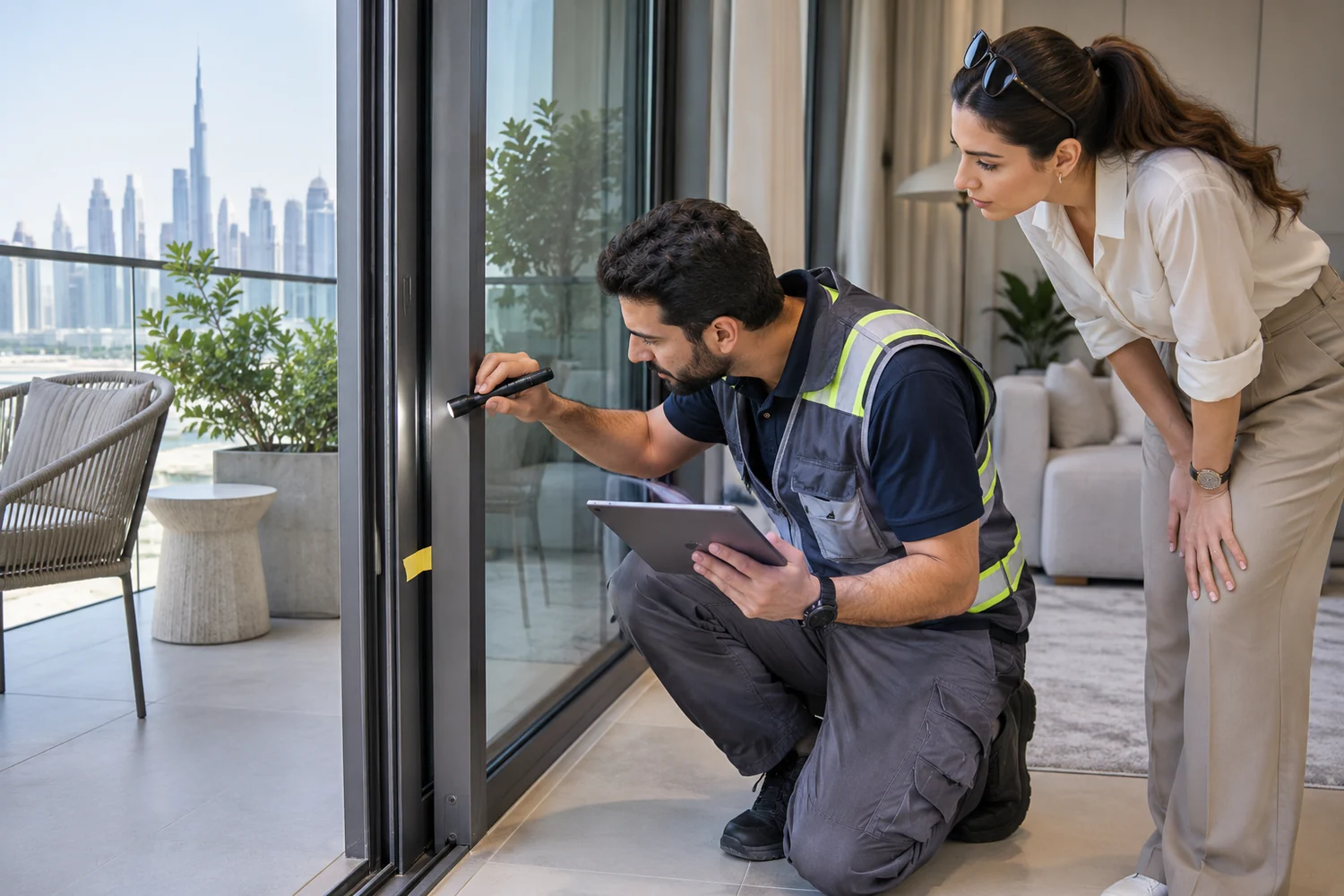
- Final payment and handover: You meet the payment and handover requirements under your SPA, inspect the unit and complete the agreed handover steps.
- Title deed issued: The DLD moves your registration from the interim register to the main register, and your title deed replaces the Oqood.
What this looks like in practice
Consider two very different off-plan purchases. A buyer at Hilton Residences Dubai Maritime City, a waterfront branded residence, and a buyer at Golf Residences by Prestige One in Dubai Sports City follow the same broad registration framework. Each would hold an Oqood while their building rises, and could follow its progress through the developer's construction updates. After completion, each buyer proceeds towards a title deed subject to the relevant contractual and DLD registration requirements.
The registration framework is the same for every project, whatever the price point or brand, although individual contractual and financing requirements can differ. That consistency is one of the strengths of Dubai's property system.
Final Thoughts
Oqood and the title deed are not competing documents. They are two stages of the same registration path. Oqood protects your position while the building rises, and the title deed confirms your ownership once it is complete.
Knowing which document applies, what fees are due and when, and how one becomes the other will help you buy with confidence. If you are planning your first purchase, our first-time buyer's guide to Dubai off-plan is a helpful next read.
Have a question about registration at a Prestige One development? Contact our team and we will be glad to help.
Frequently Asked Questions About Oqood and Title Deeds
Is Oqood the same as owning the property?
Oqood gives you a legally registered right to the unit you have bought, but it is an interim record. Full ownership of a completed property is confirmed by the title deed issued after handover.
Can I get a mortgage on an Oqood property?
Some banks offer finance on off-plan units. In that case, the mortgage is registered against the interim record and later moves across to the title deed once the property is complete. Lending criteria vary, so speak to your bank early.
How long after handover is the title deed issued?
Timings vary by project and depend on the developer completing the final registration steps with the DLD. Ask your developer for an expected timeline when you receive your handover notice.
How can I verify an Oqood or title deed?
Both can be checked through the Dubai Land Department's official channels, including the Dubai REST app, using the certificate or property details.
Can joint buyers hold one Oqood?
Yes. Co-owners are recorded together, and their shares carry through to the title deed. Our guide for couples buying a Dubai home together explains the questions to settle first.
Official Sources and Further Reading
See the DLD real estate legislation compilation, initial sale registration service, completion of initial procedures service and title deed verification guidance. Requirements and charges can change; confirm the current position with DLD and your developer. This guide is general information, not individual legal or mortgage advice.
More Stories
Discover what comes next
Explore our developments or speak with our team for more information.