
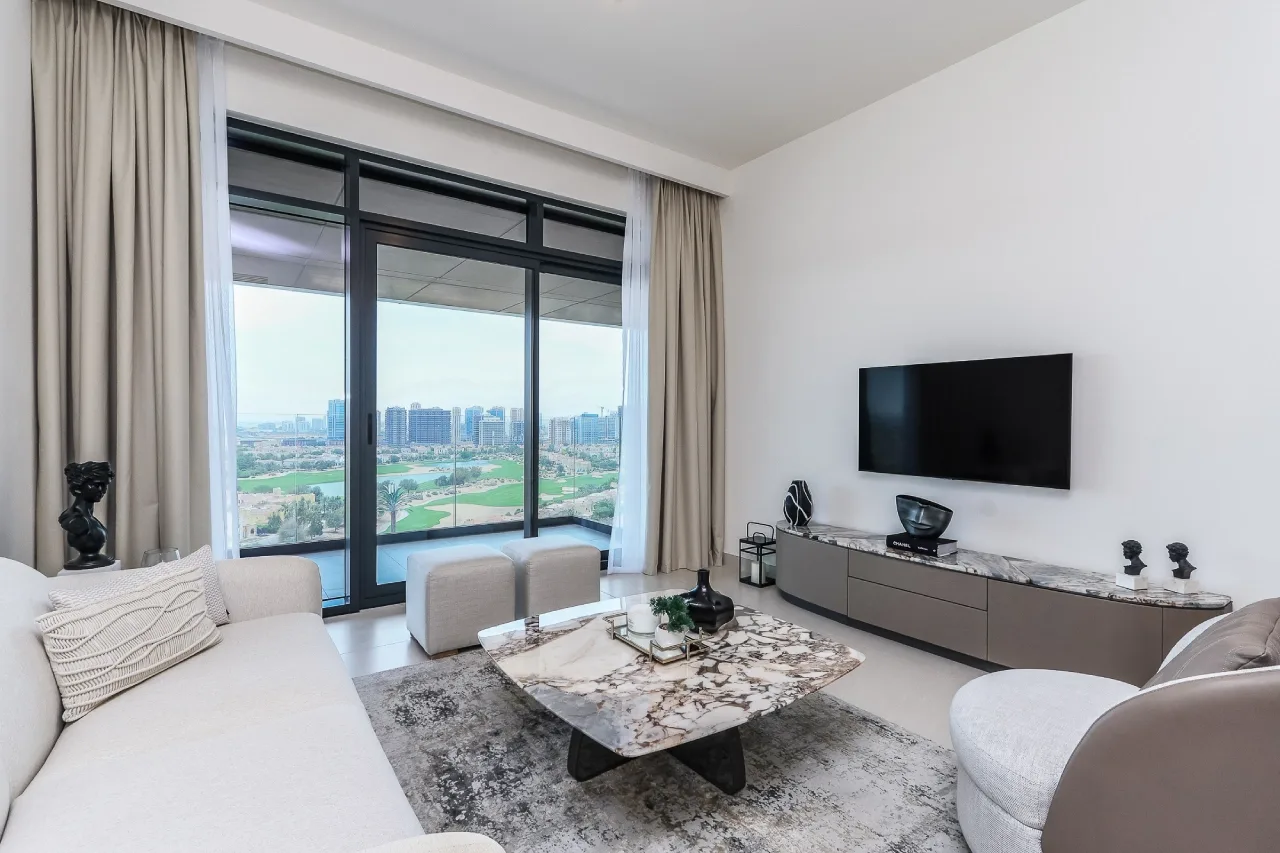
Your First 90 Days in a New Dubai Home
Follow a practical 90-day plan after property handover in Dubai, from inspecting your home and activating services to managing costs and maintenance.
Receiving the keys to a new home is an important milestone. It is also the beginning of a new stage.
The first three months give you time to understand your apartment, complete important arrangements and create a routine that makes the property feel like home.
When moving into a new home in Dubai, the exact process may vary depending on the development, building management, service providers and your ownership or occupancy arrangements. This guide provides a practical starting point, but the official documents and instructions for your property should always come first.
Before Moving In: Start With the Details
Before arranging furniture deliveries or choosing a moving date, review the documents and information provided during your Dubai property handover.
Keep copies of the relevant handover notice, unit plan, agreed specification, payment records, available warranties and building-management contacts. Store the digital and printed versions somewhere easy to access.
Inspect the apartment carefully and record any visible defects, incomplete work or questions. Take clear photographs and describe each observation by room and exact location. Confirm how these items should be submitted, who will respond and how you can follow their progress.
Our Dubai apartment handover checklist provides a more detailed room-by-room approach to preparing for the inspection.
Before leaving the handover appointment, confirm that you have received all applicable:
- Apartment keys and access cards.
- Parking details and access devices.
- Mailbox information.
- Operating guides for installed equipment.
- Available warranty information.
- Maintenance and emergency contacts.
Ask how to report a concern after moving in and whether specific procedures or timeframes apply to your apartment. These details may differ between properties, so rely on the information provided for your own home.
The First 30 Days: Make the Home Ready
The first month should focus on making the apartment safe, connected and comfortable for everyday life.
Arrange electricity and water activation through the relevant provider. Confirm how cooling is supplied to the building and whether a separate account or registration is required. Internet and television installation may also need to be booked before moving day.
Register with the building-management team and ask about:
- Moving permits and lift bookings.
- Delivery access and approved timings.
- Visitor and parking procedures.
- Waste collection arrangements.
- Community rules.
- Emergency contacts.
- Access to shared amenities.
Do not assume that every Dubai building follows the same process. Confirm the requirements directly with the authorised building or community management team before arranging movers or large deliveries.
Learn where the building’s emergency exits are located and keep the relevant security and maintenance numbers somewhere accessible. If you do not understand how installed equipment works, ask the authorised team for guidance instead of trying unfamiliar controls yourself.
During the first weeks, focus on the rooms you use most. Setting up the bedroom, kitchen and main living area first can make the move easier while giving you time to organise the rest of the apartment properly.
It is also useful to test the journeys that will become part of your routine. Check access to work, supermarkets, healthcare, schools and other services that matter to your household.
Days 30–60: Follow Up and Settle In
By the second month, you will have a clearer understanding of the apartment and how it works in daily life.
Review the defects or maintenance concerns recorded during handover. Check what has been completed and follow up on anything still outstanding through the correct written channel. Keep photographs, reference numbers and responses together so each item is easy to track.
This is also the right time to understand the building’s regular operations. Find out when waste is collected, how maintenance visits are arranged and who to contact for different types of concerns.
Begin exploring the shared amenities and confirm the rules that apply to them. Opening hours, booking requirements, guest access and age restrictions may vary. Check the current operating information rather than relying only on marketing material or earlier details.
As you settle in, organise the apartment around your real routine. Furniture placement, storage and lighting may need small adjustments after several weeks of use. The aim is to make the home work comfortably for the people living in it.
Days 60–90: Plan for the Longer Term
The third month is a good time to review what the home costs to run.
Look at your electricity, water, cooling, internet and other regular bills. This can help you create a more realistic monthly budget based on actual use rather than early estimates.
If you are an owner, review the official information provided for service charges and building-related responsibilities. Costs and payment arrangements vary between developments, so check the records and notices that apply to your property.
Create a simple maintenance schedule for the apartment. Depending on the home and installed equipment, this may include:
- Air-conditioning servicing.
- Cleaning or replacing filters.
- Appliance maintenance.
- Checking visible seals and fittings.
- Keeping warranty and service records.
Confirm that earlier maintenance requests have been closed correctly. If something remains unresolved, continue using the official reporting process and keep a written record of your communication.
By this stage, begin looking beyond the apartment itself. Explore nearby shops, parks, restaurants, healthcare facilities and other community services. Understanding the neighbourhood is an important part of making a new address feel familiar.
Keep One Home File
Create one physical or digital folder for everything connected to the property.
Your home file can include:
- Handover documents.
- Inspection records and photographs.
- Warranties and operating guides.
- Utility and service account details.
- Building rules and management contacts.
- Maintenance records.
- Important receipts and correspondence.
Keeping this information together saves time when you need to report a problem, check a warranty or find an account reference.
A Simple 90-Day Checklist
By the end of the first three months, aim to have:
- Activated the services required for the home.
- Completed building-management registration.
- Recorded and followed up on handover observations.
- Organised keys, access cards and parking details.
- Understood the building’s main rules and procedures.
- Reviewed your regular household costs.
- Created a basic maintenance schedule.
- Collected important property information in one place.
- Become familiar with the surrounding community.
From Handover to Everyday Living
A successful handover is not only about receiving the keys. It is about moving from a completed property into a home that supports everyday life.
Delivered developments such as Vista by Prestige One in Dubai Sports City and The Residence by Prestige One in Jumeirah Village Circle represent this next stage of the residential journey.
Every development has its own management procedures, services and community rules. Residents should always follow the official information provided for their specific property.
Frequently Asked Questions
What should I do first after receiving the keys?
Start by reviewing the handover documents, inspecting the apartment and confirming that you have received the applicable keys, access cards, parking information and important contacts.
How long do I have to report a defect?
The relevant procedure and timeframe can depend on the property documents, applicable warranty and instructions provided during handover. Confirm the exact requirements for your apartment and keep a written record of anything you report.
Which services should I arrange before moving in?
Electricity, water, cooling, internet and building access are the main services to check. The required accounts and activation process may vary, so confirm them with the relevant providers and building management.
Should I keep copies of maintenance requests?
Yes. Keeping photographs, reference numbers and written responses makes it easier to track open items and confirm when work has been completed.
Your first 90 days do not need to be perfect. They simply need to be organised.
Start with the apartment. Complete the essential services. Follow up on the details. Then give yourself time to understand the building, the community and the daily life taking shape around your new home.
More stories


Discover what comes next
Explore our developments or speak with our team for more information.